Curating knowledge
Top 8 L&D trends happening in 2026 (and what we’ve learned)
From AI-powered personalization to immersive learning experiences, the trends shaping this year aren’t just buzzwords. They’re shaping how organizations build capability, keep people engaged, and adapt to real-world challenges.

Ryan Macpherson

Editor:
Stephanie Chan
You've seen the headlines.
Skills gaps widening. Roles evolving faster than job descriptions can keep up. New tools launching before we've even mastered the old ones.
According to D2L, 63% of employers cite skills gaps as the biggest barrier to transformation. And 88% of organizations now list learning as their number one retention strategy.
The shifts we're seeing aren't random. They're a direct response to the way work, technology, and expectations are changing in real time.
In 2026, L&D teams have one core challenge: keeping knowledge flowing, not trapped in slide decks or siloed departments. The right knowledge transfer platform makes that possible.
Here are the trends already making an impact:
Employees taking ownership of their own training
AI-powered personalization and adaptive learning
Microlearning and just-in-time knowledge transfer
Skills-based development and internal mobility
Immersive learning with AR and VR
Top learning & development trends happening in 2026
These are the approaches L&D leaders continue to test, refine, and scale.
Employees taking ownership of their own training
Employees aren't waiting for L&D to hand them a course. They're searching for answers and building skills on their own terms.
According to D2L, 50% of the workforce completed training as part of long-term learning strategies in 2025, up from 41% in 2023. The appetite is there; organizations just need to make it easy to act on.
How Coassemble helps
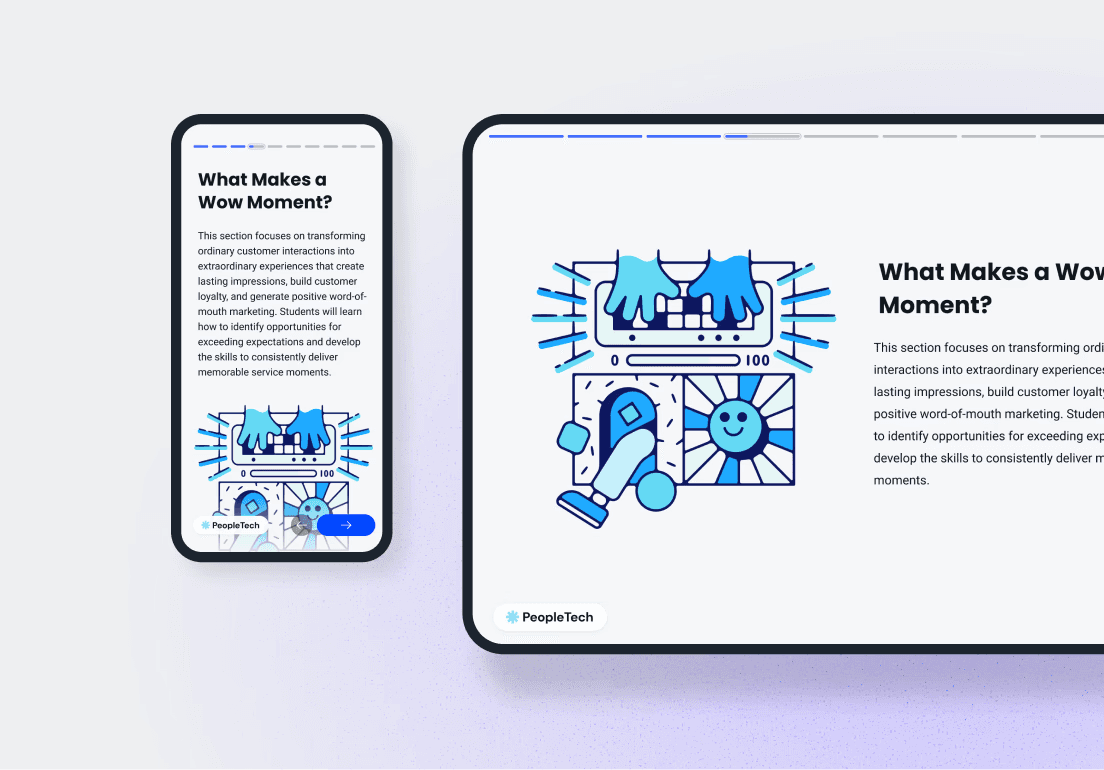
Coassemble is a knowledge transfer platform built for speed and simplicity. Subject matter experts and team leaders can create branded learning experiences themselves, freeing L&D teams to focus on strategy rather than admin.
Coassemble also plugs directly into Slack, delivering AI-driven knowledge transfer without pulling employees out of their workflow. It also connects to your existing LMS so your current setup works harder.
Employees get on-demand access to training that's relevant, current, and easy to act on.
What we’re learning: The teams making it work aren't building more courses. They're removing the barriers to finding them.
Personalization through AI & adaptive learning
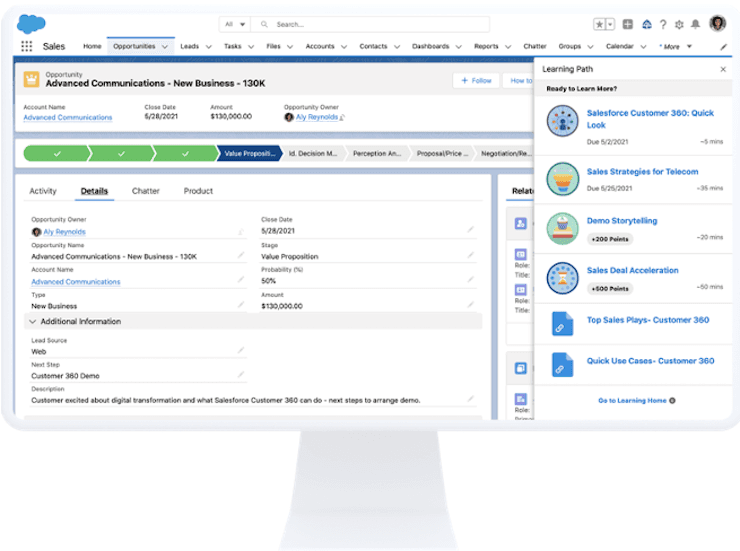
Artificial intelligence is driving a shift toward personalized learning paths that adapt in real time. Employees aren’t just given generic training programs. They receive content matched to their current skills, role, and career goals.
For example, Salesforce uses AI to deliver custom learning paths based on employees’ roles and skill gaps. The system analyzes usage data and performance to surface content that aligns with each learner’s needs, making training more relevant and impactful.
What we’re learning:
Personalized learning increases employee engagement by meeting learners at their own pace.
Adaptive learning can identify skill gaps early, guiding targeted employee development.
Microlearning & just-in-time training
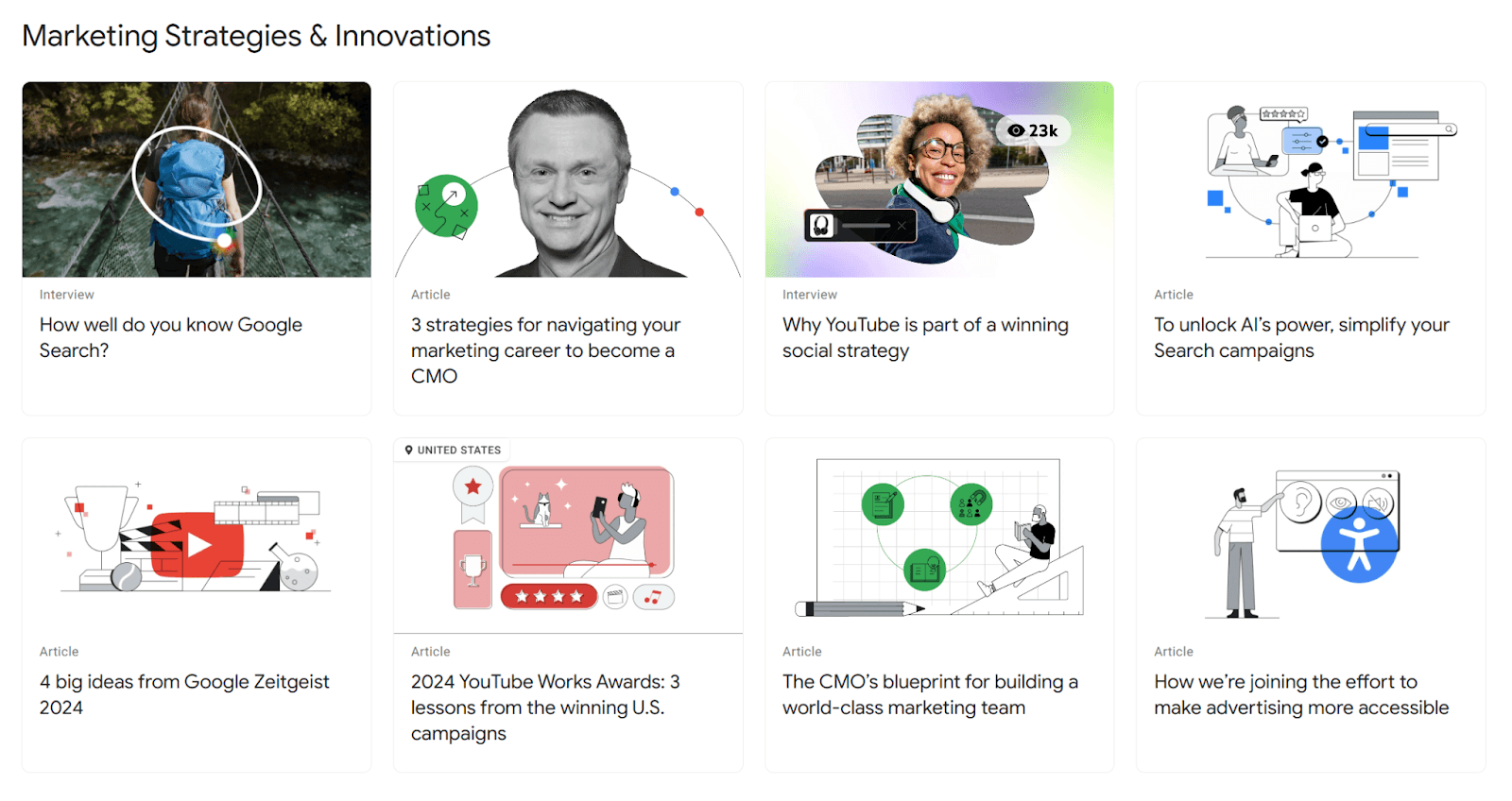
Bite-sized learning experiences have become essential for employees who need answers fast. Microlearning delivers focused lessons in minutes, while just-in-time learning ensures that knowledge is available exactly when it’s needed.
For example, Google’s Think with Google platform applies microlearning principles to marketing education: delivering short, actionable insights, creative examples, and tools that professionals can use immediately in real-world scenarios.
What we’re learning:
Bite-sized content improves skills retention by keeping learning sessions focused.
Just-in-time access ensures employees can apply knowledge directly to real-world challenges.
This format works for both technical skills and leadership development, making it a valuable addition to training programs.
Social & collaborative learning
Learning sticks when it’s shared. Social learning turns colleagues into both teachers and students. Peer interaction deepens understanding and often doesn’t feel like “training” at all.
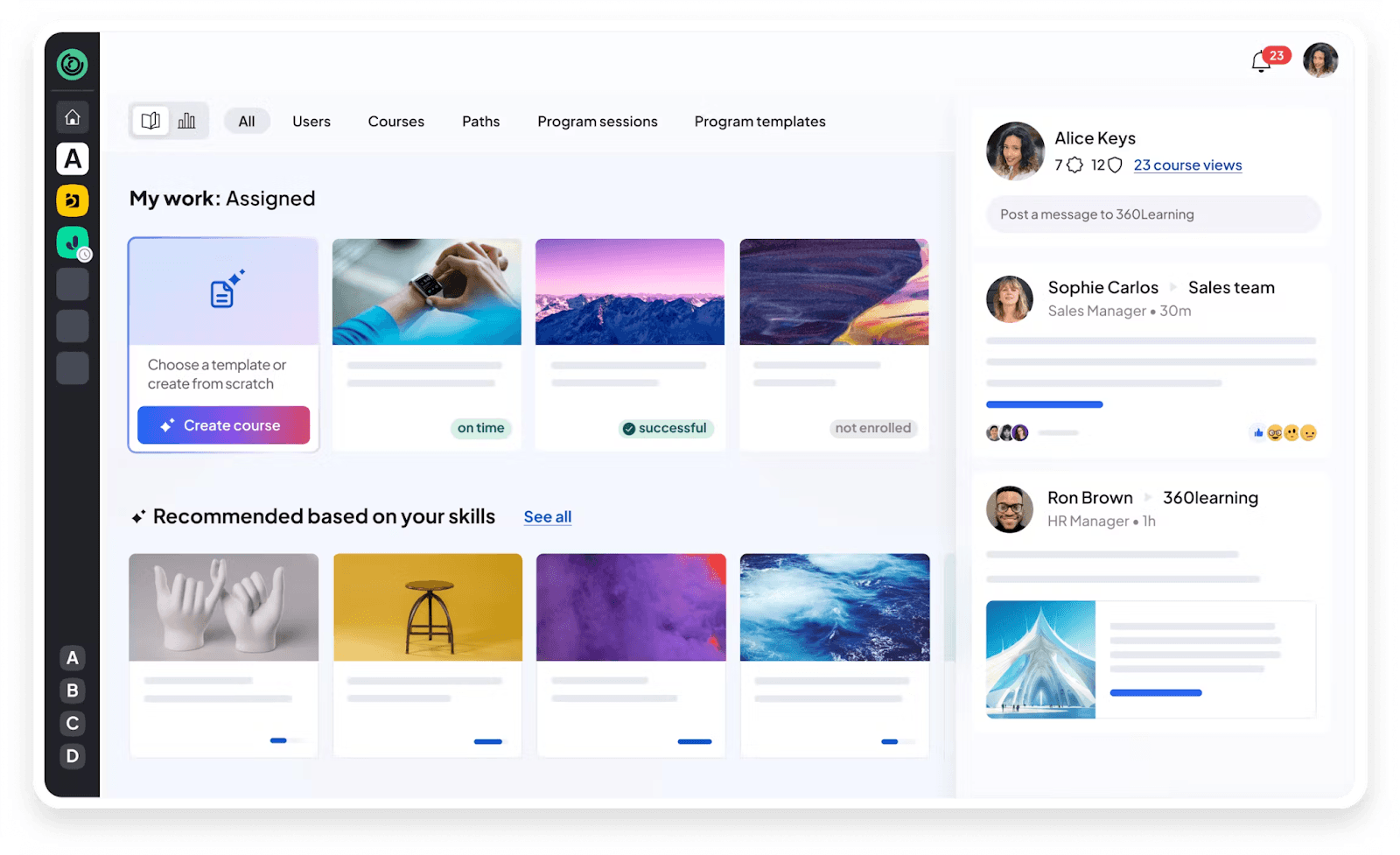
For example, 360Learning’s platform is built around peer training and collaborative course creation. It enables anyone, even non-L&D experts, to author interactive courses swiftly, breaking down barriers to knowledge sharing and empowering employees to drive their own training.
What we’re learning:
Social learning makes training interactive and engaging.
Peer feedback sharpens critical thinking and emotional intelligence.
Collaboration builds leadership skills and helps knowledge stick long-term.
Learning in the flow of work
Training is more impactful when it happens in the tools people already use. Learning in the flow of work keeps knowledge in motion: employees apply new skills immediately instead of parking them for later.
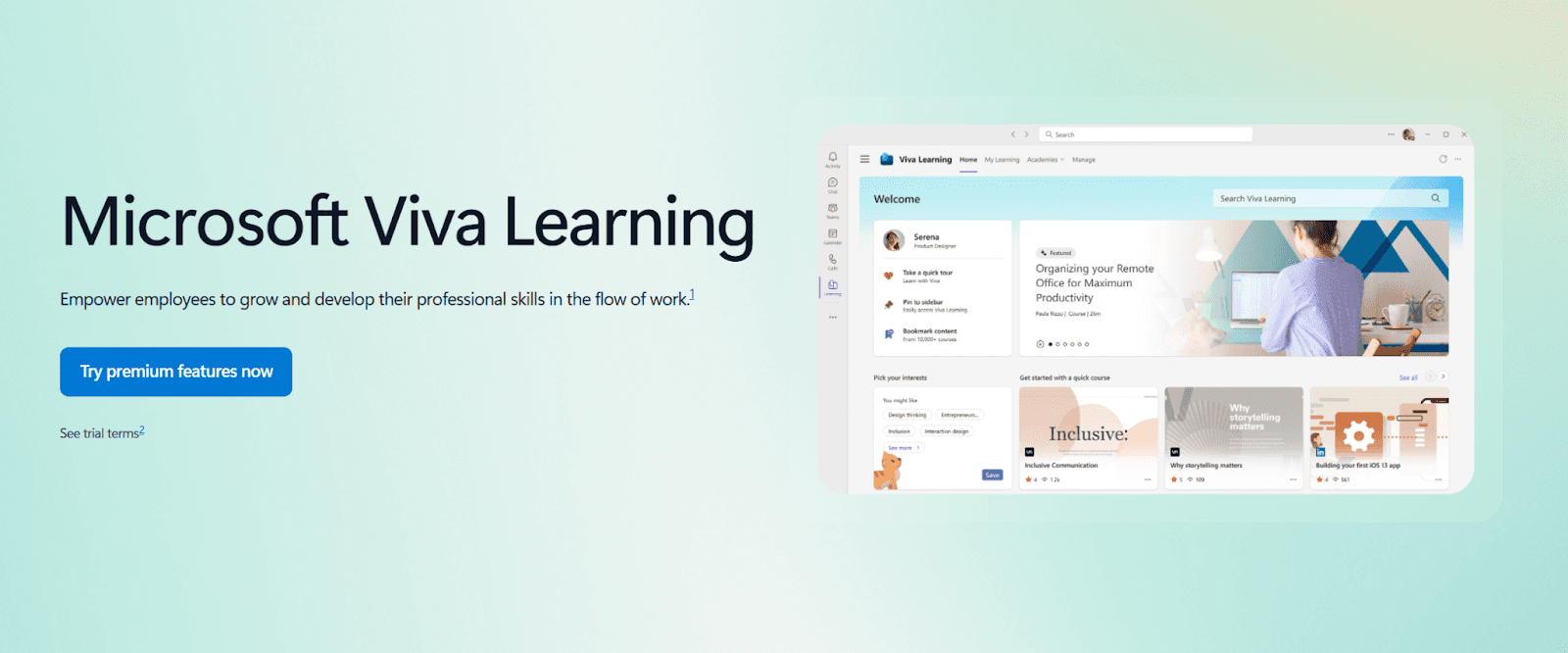
For example, Microsoft Viva Learning delivers training directly inside Microsoft Teams. Employees can search for courses, view personalized learning recommendations, and complete modules without leaving their chat or meeting environment. This approach supports continuous learning while keeping the workflow intact.
What we’re learning:
Embedding learning into daily workflows boosts learner engagement.
Employees can build new skills without stepping away from core tasks.
Data-driven learning & analytics
L&D leaders now have real visibility into how learning affects business outcomes. With platform insights and behavioral data, organizations can see which skills are growing, where gaps are forming, and respond fast.
According to LinkedIn's 2025 Workplace Learning Report, organizations that prioritize career development and track learning data consistently outperform others. Those with strong career development programs are 75% confident in their ability to be profitable, compared to 64% for others. They're also 42% more likely to be frontrunners in AI adoption.
The data also shows what happens when learning isn't tracked. Business strategy, strategic planning, and sales management are the top skills most at risk of being lost to employee turnover: all hard-to-replace capabilities that directly impact performance.
What we’re learning:
Learning analytics reveal which skills are being built and which are at risk
Organizations that measure career development outperform those that don't
Tracking skill gaps early helps L&D respond before the business feels the impact
Inclusive & accessible design
A diverse workforce needs diverse ways to learn. Inclusive design ensures every employee, regardless of ability, language, or learning style, can participate fully in the learning process. Accessibility isn’t just compliance; it’s a driver of employee engagement and retention.
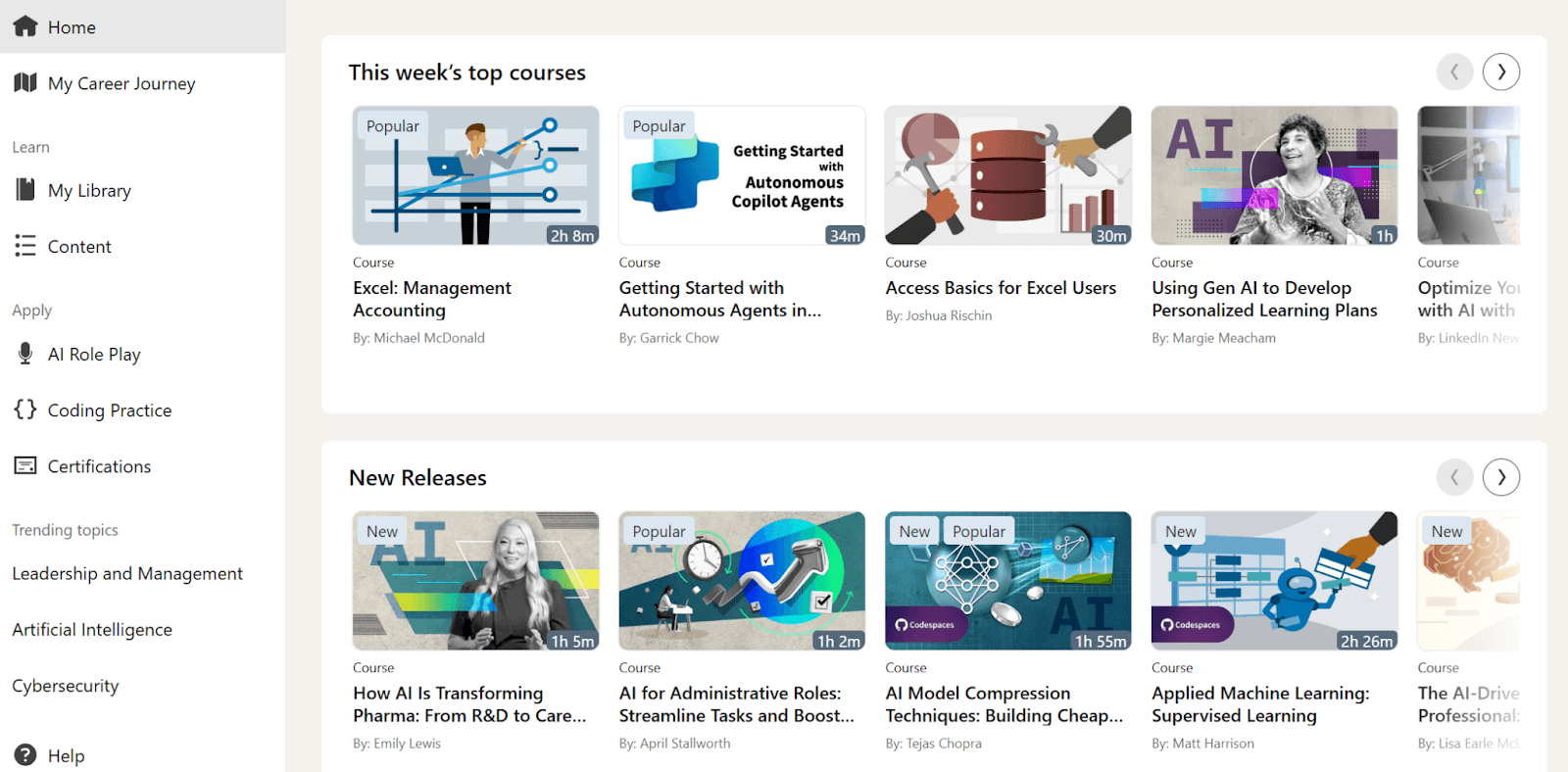
For example, LinkedIn Learning provides closed captions, transcripts, keyboard navigation, and multi-language options across its course library. These features make training resources usable for employees with different needs and preferences, supporting both equity and organizational success.
What we’re learning:
Accessible training programs expand learner engagement to a wider audience.
Multi-format and multi-language content improves employee skills retention.
Inclusive design strengthens organizational goals around diversity and inclusion.
Skills-based development & internal mobility
Organizations increasingly emphasize skills, rather than titles, as the foundation for career growth and internal movement. That means building capabilities, not boxed roles, and giving teams paths to develop and share them.
For example, Unilever’s Flex Experiences internal talent marketplace allows employees to work on projects alongside their main role. This AI-powered platform matches staff to opportunities that align with their skills and career interests. It has received a 95% employee endorsement rate and supported rapid deployment across nearly 90 countries.
What we’re learning:
A skills-first approach helps uncover hidden talent and address skill gaps quickly.
Internal mobility supports employee development, career growth, and engagement.
Purpose-driven experiences that align skills with opportunities boost retention and business agility.
Immersive & experiential learning (AR/VR)
Immersive learning technologies like augmented reality (AR) and virtual reality (VR) let employees enter real-world scenarios and build essential skills in a safe, controlled environment.
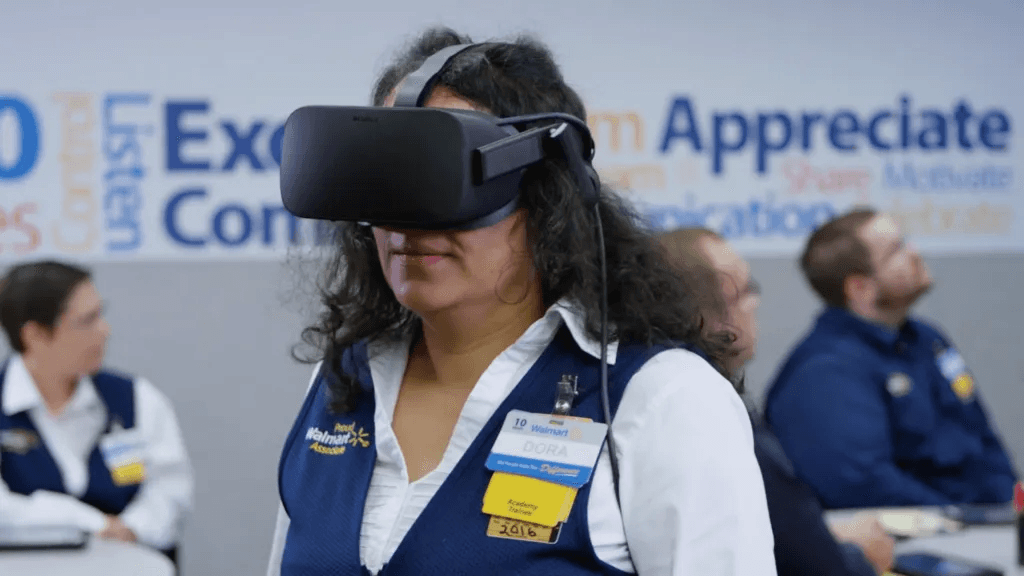
For example, Walmart has trained over 1 million associates using virtual reality-based learning simulations. Through platforms like ArborXR and Strivr, the company delivers immersive, scenario-based training to boost confidence, retention, and real-world readiness.
What we’re learning:
Immersive learning technologies help develop confidence and critical thinking through realistic practice.
VR is especially effective for both technical and soft-skill training.
Early adopters gain a powerful competitive edge in workforce readiness.
Why staying ahead of L&D trends matters
Learning and development trends are about new ways of thinking, not just about new tools. From personalized learning paths powered by AI to immersive training experiences, L&D leaders are reshaping how employee skills are built, shared, and applied.
The takeaway? Learning doesn’t stand still. Employee development thrives when it’s continuous, embedded in real work, and aligned with organizational goals. You don’t need to adopt every new trend at once. Start with one or two that solve your most pressing challenges, then scale what works.
When knowledge stays in motion, organizations can adapt faster, engage more deeply, and turn today’s learning into tomorrow’s competitive advantage. If you’re ready to start, you can sign up for Coassemble’s free plan and begin creating interactive training today.
FAQs about learning and development trends
What are the major learning and development trends in 2026?
Key trends include employees owning their training, AI-powered personalization, microlearning, social learning, data-driven analytics, immersive training, and skills-based development.
Why do learning trends matter for growing companies?
They help close skills gaps, boost employee engagement, and align training programs with business goals for long-term success.
How do I know which trends to adopt?
Start with trends that address your most urgent challenges, then track results and expand as they prove effective.
What’s the difference between microlearning and traditional training?
Microlearning delivers short, targeted lessons that fit into daily work, while traditional training is often longer and less frequent.
Which tools can help me implement these trends?
Knowledge transfer platforms like Coassemble help teams build and share interactive training, track engagement, and keep content current, without the overhead of traditional tools.
Read More
Join the knowledge revolution today
Unlock knowledge. Boost engagement. Drive results
No credit card required

Join the knowledge revolution today
Unlock knowledge. Boost engagement. Drive results
No credit card required
Join the knowledge revolution today
Unlock knowledge. Boost engagement. Drive results
No credit card required